
 中文
 English
 Русский
Today's Topic / Ruixiang Technology's Application of Caramel Color in Maple Syrup
What is maple syrup?
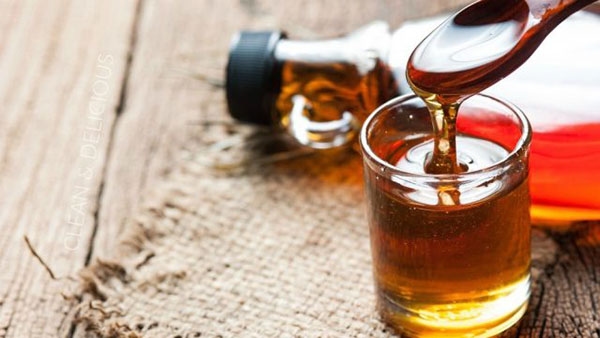
Maple Syrup(Maple Syrup) is made fromSugar MapleMade by boiling down the sap of the (Sugar Maple) treeSyrup,It is typically served with pancakes, waffles, and French toast, and is also used in cooking or in the preparation of beverages asSweetenerJoin.
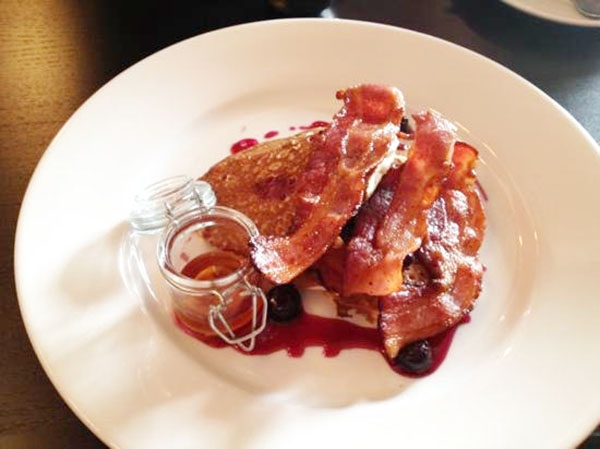
Maple Bacon Recipe
Ingredients: bacon, maple syrup, chili powder
Directions:
1. Preheat the oven to 200°C.
2. Use a brush to spread the maple syrup evenly over the bacon, and add chili powder to taste.
3. Place the bacon on the rack, with a baking sheet lined with aluminum foil underneath to catch the drippings.
4. Make sure the bacon is cooking evenly on both sides.
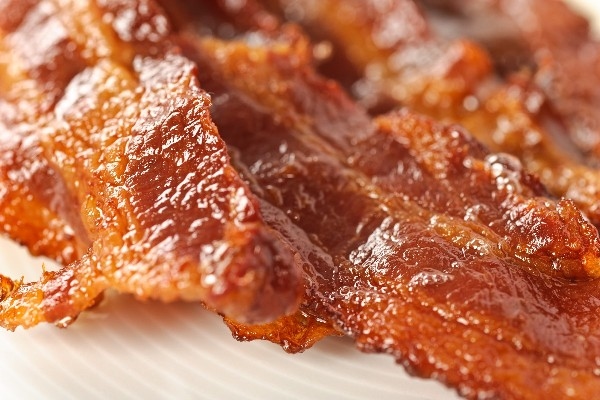
The amber hue of maple syrup really enhances the flavor of bacon. Its crispy, crunchy texture pairs perfectly with the slightly caramelized syrup. In addition to enjoying it on its own, it’s also delicious when crumbled and sprinkled over cupcakes or ice cream.
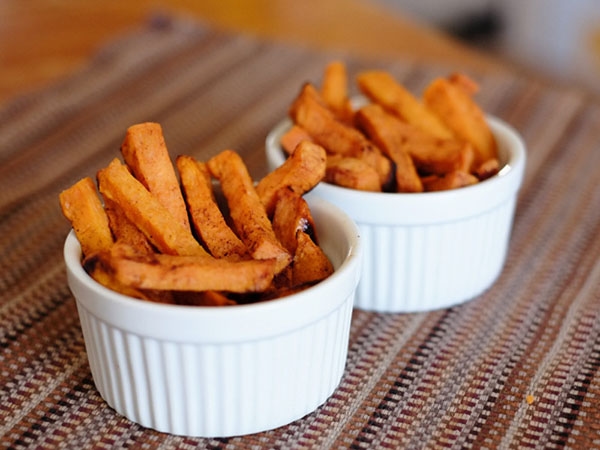
Roasted Sweet Potato Recipes
Ingredients: sweet potatoes, olive oil, maple syrup, salt, ground cinnamon
Directions:
1. Peel the sweet potatoes and cut them into strips, then soak them in water for 30–45 minutes to help release their starch and natural sweetness.
2. Drain the sweet potatoes, rinse them under water, and pat them dry with paper towels.
3. Drizzle a little olive oil over the sweet potato fries, toss them with the seasoning, and bake in a 200°C oven for 25 minutes.
Your sweet and crispy baked sweet potato sticks are ready—they're healthy and delicious!
Coloring Applications of Maple Syrup
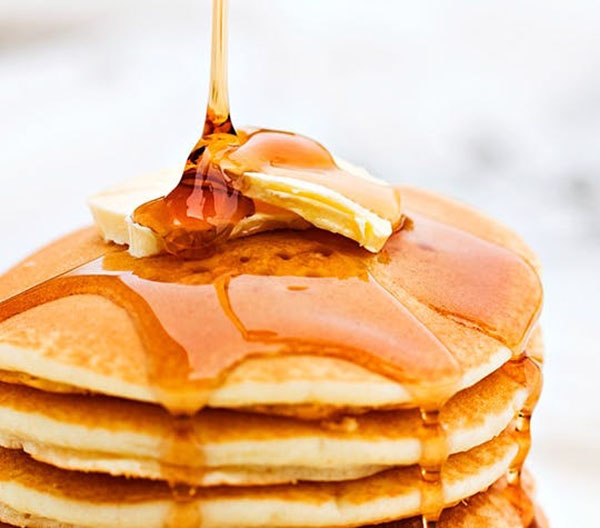
Since natural maple syrup is made by boiling down fresh sugar maple sap, mass production can easily lead toUneven color. Adding the appropriate amount of caramel color can enhance the color of maple syrup and help improve the product's color during mass production.Stability and Unity。
Ruixiang Technology recommends using caramel color products with higher red-yellow indices in maple syrup, such as our BC-208 and DS-201 products, with recommended addition levels of 0.15% and 0.21%, respectively.
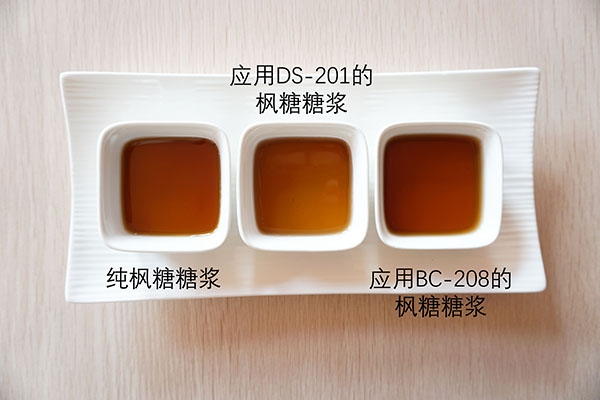
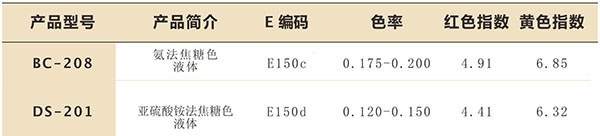
(Note: The recommended usage amounts listed in all applications are for reference only. Please consult local regulations and strictly comply with them before use. We also recommend that manufacturers conduct tests in their end products to determine the appropriate addition ratio.)
