
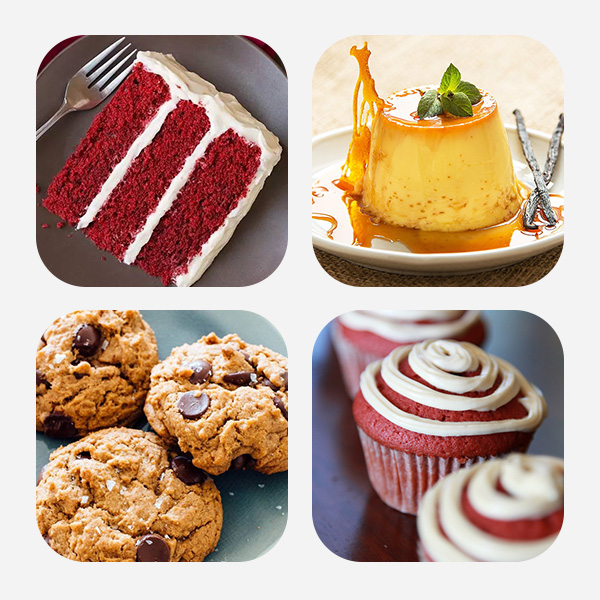
From cookies and cakes to bread and Swiss rolls, the color of baked goods is a crucial aspect of their appearance. Based on the formulation characteristics and target color tones of different product categories, the selection and testing of coloring ingredients can be conducted by considering the natural colors of the ingredients, surface coloring, and the color of the internal texture.
During product development, the focus is on comparing how ingredients are dispersed in the batter or dough, as well as changes in color tone, depth, and uniformity before and after baking. Sample formulations are adjusted based on baking temperature, time, and moisture conditions to ensure that the color harmonizes with the product’s flavor, appearance, and overall positioning.
We recommend comparing the pilot-scale samples with existing products and continuously monitoring changes in appearance after packaging to provide a basis for subsequent formulation adjustments and batch management.
View Details Application Inquiries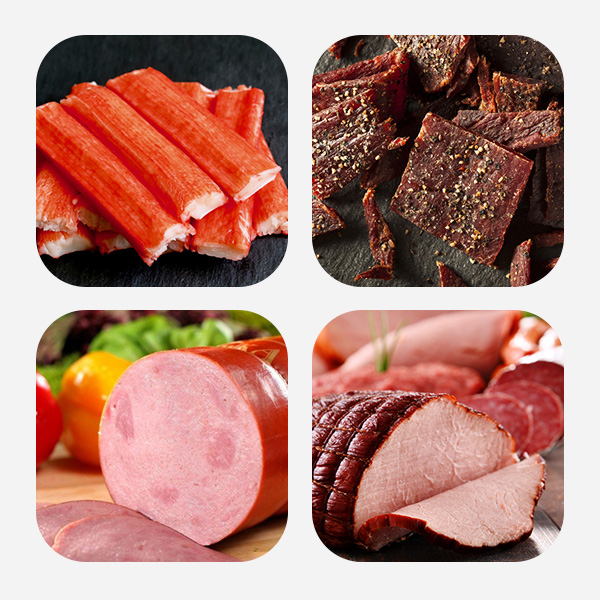
Braised meat, sausages, and other processed meat products each have distinct color and flavor requirements. Based on the product’s processing methods, ingredient composition, and market positioning, we evaluate the combination of coloring and flavoring agents, focusing on the harmony of surface color, cross-sectional appearance, and overall flavor.
During processes such as marinating, mixing, steaming, or braising, the order in which ingredients are added, mixing time, and heating conditions should all be documented in the test records. By comparing different methods, observe the uniformity of coloring, changes in color after processing, and how the product complements the existing seasoning system.
Before finalizing the formulation, observe the finished product under actual packaging and storage conditions, comprehensively compare its appearance, odor, and taste, and select the application solution that best suits your production process.
View Details Application Inquiries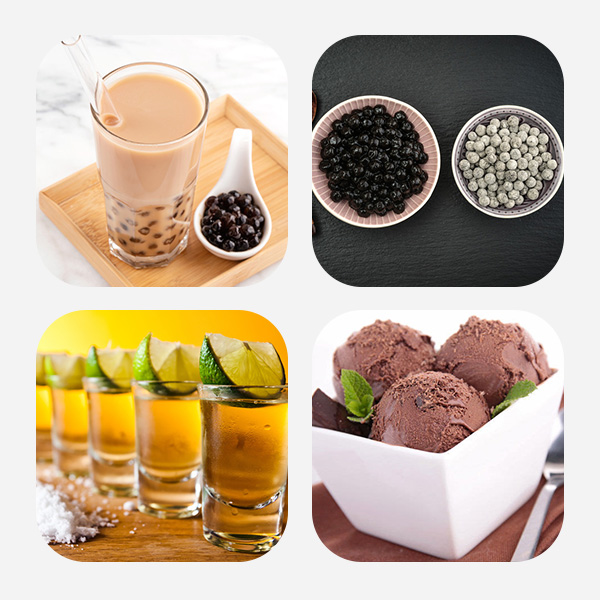
The color of a beverage must be consistent with its flavor, aroma, and product positioning. To meet the development needs for fruit-flavored beverages, tea drinks, and other beverages, the performance of coloring ingredients in different beverage systems can be evaluated based on the target hue, transparency, and formulation.
When testing samples, consider the pH, sugar content, other ingredients, and heating process, and observe the dissolution or dispersion of the raw materials, the uniformity of color, and any changes before and after processing. Since the appearance requirements differ between clear and cloudy beverages, control samples can be prepared for each type to facilitate comparison.
At the same time, we examine the effects of light exposure, packaging materials, and storage duration on the appearance of the finished product. Through stability observations under actual conditions, we provide a basis for raw material selection, addition methods, and formulation optimization.
View Details Application Inquiries
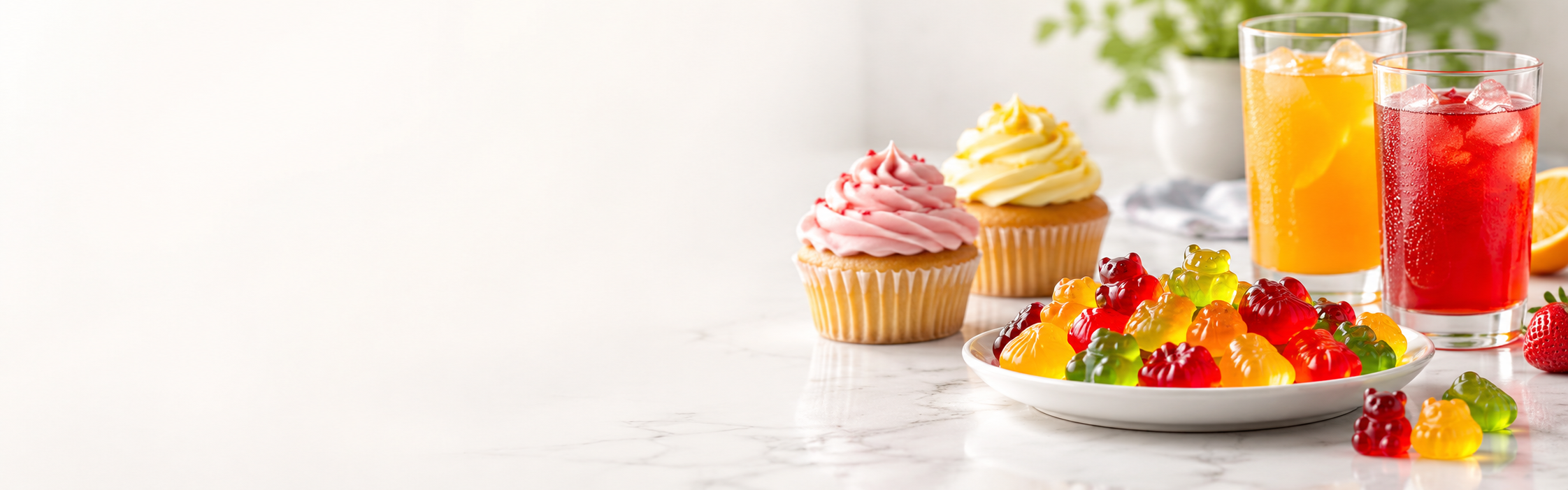
The color schemes for candies and sweets can highlight their distinctive flavors and add visual depth to the product’s appearance. To meet the design needs of various products—such as soft candies, hard candies, and decorative sweets—prototypes featuring both monochromatic and combination color schemes can be developed, incorporating target colors and either transparent or opaque visual effects.
Since the moisture and fat content, as well as processing temperatures, vary among different sugar coatings and glazes, when selecting a formulation, it is important to evaluate how well the ingredients disperse within the system, the color appearance after processing, and any color migration. For multi-layer or multi-color products, special attention should also be paid to comparing the changes at the boundaries between adjacent colors.
It is recommended to produce samples using the actual molding, cooling, and packaging processes, and to document the color, appearance, and any changes that occur during storage, so that the color scheme is compatible with production conditions and product design.
View Details Application Inquiries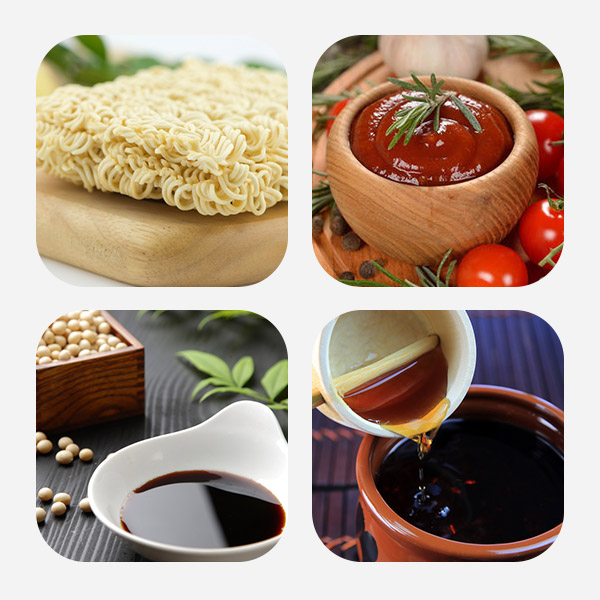
Sauces, blended seasonings, and soup bases require both harmonious color and distinct flavor layers. Based on the product’s intended profile—whether savory, rich, or complex—you can conduct combination trials with coloring and flavoring ingredients to compare how they pair with the original formula.
Liquid sauces, paste-based seasonings, and powdered seasonings are used differently; the dispersion, mixing, and addition sequence of ingredients should be determined based on formulation conditions such as moisture, fat, and salt content. Through sample comparisons, observe changes in color intensity, uniformity, and overall flavor.
For products that require heating or long-term storage, it is possible to further compare their performance before and after processing, as well as during storage, to provide a basis for formula adjustments and managing the consistency of the finished product.
View Details Application Inquiries
The formulation development of nutritional foods must take into account product positioning, consumption methods, and sensory experiences. Depending on the product form—whether it be a powder, beverage, or other specific format—discussions regarding color and flavor applications can be conducted based on raw material information, formulation composition, and target texture.
When testing samples, focus on how the raw materials interact with proteins, carbohydrates, and other ingredients; compare the uniformity of the mixture, the appearance after reconstitution, and any changes that occur during processing. For different consumption methods, you can set specific sample conditions for each to ensure that the evaluation results more closely reflect real-world usage scenarios.
Application solutions should be determined based on the specific quality requirements of the product, using the results of finished product testing as the basis for adjustments. Nutritional composition and related functional claims must be supported by appropriate evidence, and care should be taken to avoid confusing sensory improvements with nutritional benefits.
View Details Application Inquiries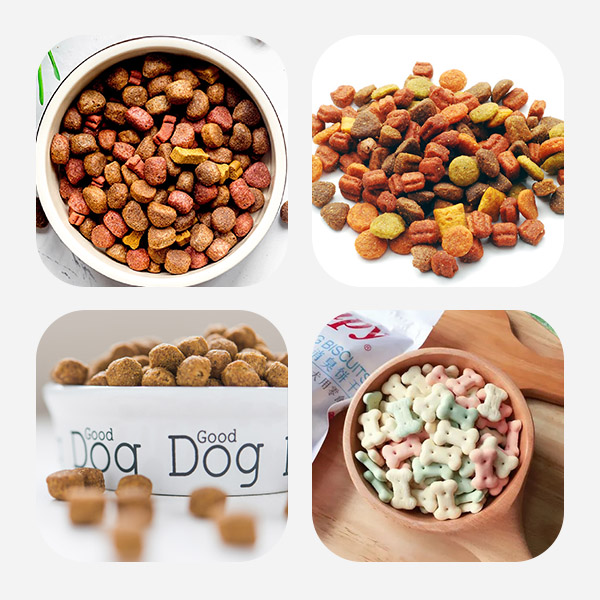
The development of pet food applications should be tailored to the specific pet species, product form, and formulation requirements. For different products—such as dry food, wet food, or treats—discussions should focus on appearance, odor, and processing suitability, and the suitability criteria and quality data for relevant ingredients should be confirmed on a case-by-case basis.
During the testing process, observe the distribution of raw materials in the formulation and the performance of the finished product by incorporating practical steps such as mixing, molding, heating, and drying. Products with different moisture contents and fat compositions should be evaluated separately to avoid directly applying test conclusions from other food systems.
It is recommended to retain control samples of both the original formula and the adjusted formula, and to gradually optimize the formulation by taking into account packaging, storage conditions, and necessary expert evaluations. Specific usage must be confirmed in accordance with the relevant requirements for pet food.
View Details Application Inquiries
 中文
 English
 Русский