
 中文
 English
 Русский


Red Yeast Rice Noodles Product Description
· Edible coloring ingredients · Specifications available upon request · Application results confirmed through formulation testing
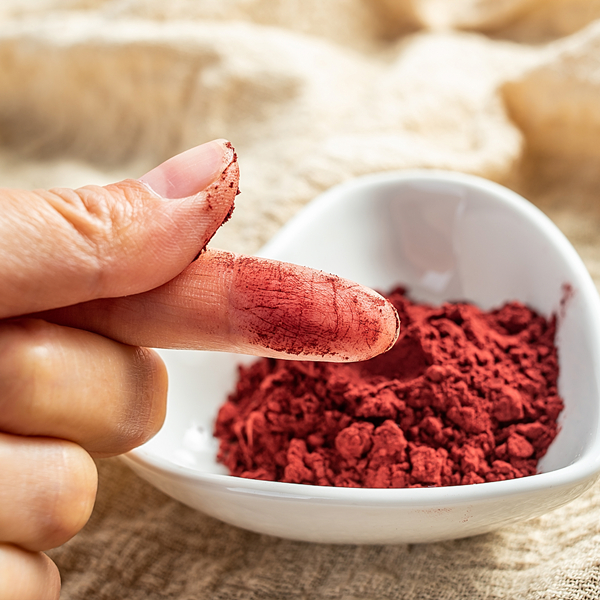
Appearance: Red to deep purple granules or powder, free of mold and visible impurities.
Color value: u/g 800–4000
Ingredients: Red yeast rice pigment, water
Packaging: Food-grade packaging bags and cardboard boxes
Red yeast rice CV2000, also known as red yeast rice powder 2000 u/g, is a food coloring ingredient. It has been used in China for thousands of years. Since the early days of rice fermentation, red yeast rice has mostly been red or deep red in color and has been primarily used for food coloring. Red yeast rice is a natural red pigment produced by the Aspergillus oryzae fungus during its growth and metabolic processes.
Red yeast rice powder is a food coloring ingredient; its specific composition and manufacturing process are subject to the technical specifications of the corresponding product. The production of red yeast rice powder begins with the isolation of traditional red yeast strains; specific strain and process information should be based on the supplier’s technical specifications. High-quality Yellow River rice is selected as the raw material, and fermentation is carried out using a combination of traditional methods and modern biotechnology.
We select high-quality early-maturing rice and, under strictly controlled fermentation parameters, regulate the metabolism of various pigments to produce red koji rice flour with a pure, vibrant color. Through processes such as grinding, color evaluation, sterilization, and packaging, we ultimately deliver high-quality products to customers worldwide.
Product Features
1. A purplish-red hue, similar to the color of pig's blood
2. High-Temperature Resistance
3. Refer to the product label and specifications for specific ingredients and usage requirements.
4. High Color Value
5. pH has a wide range of applications
6. The color retention is stable, and the color does not fade easily after application.
7. Application performance should be verified through corresponding formulation and processing tests.
Applications:
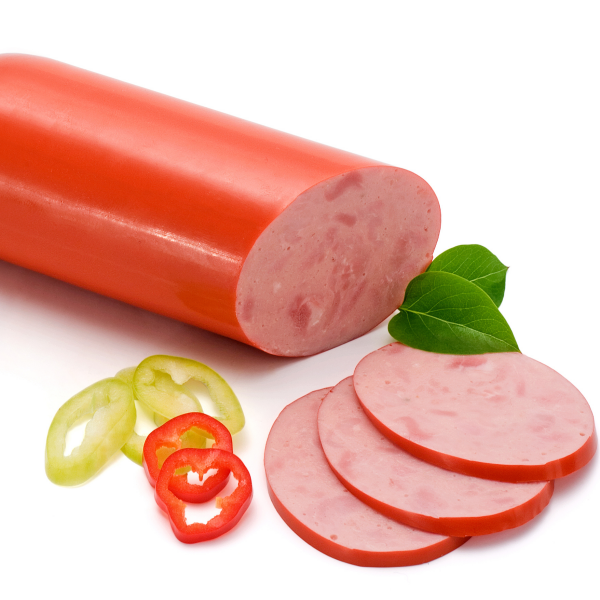
Due to its excellent coloring properties, it is commonly used as a coloring agent in meat products (such as sausages, ham, and bacon), baked goods, and blended sauces.
Use and Storage
The scope of use and usage levels shall comply with applicable current food safety standards. It is recommended to conduct coloring, processing, and storage stability tests based on the actual formulation to determine the appropriate method and proportion of addition. The product should be stored in a sealed container in a cool, dry place, away from moisture and direct sunlight.
