
 中文
 English
 Русский
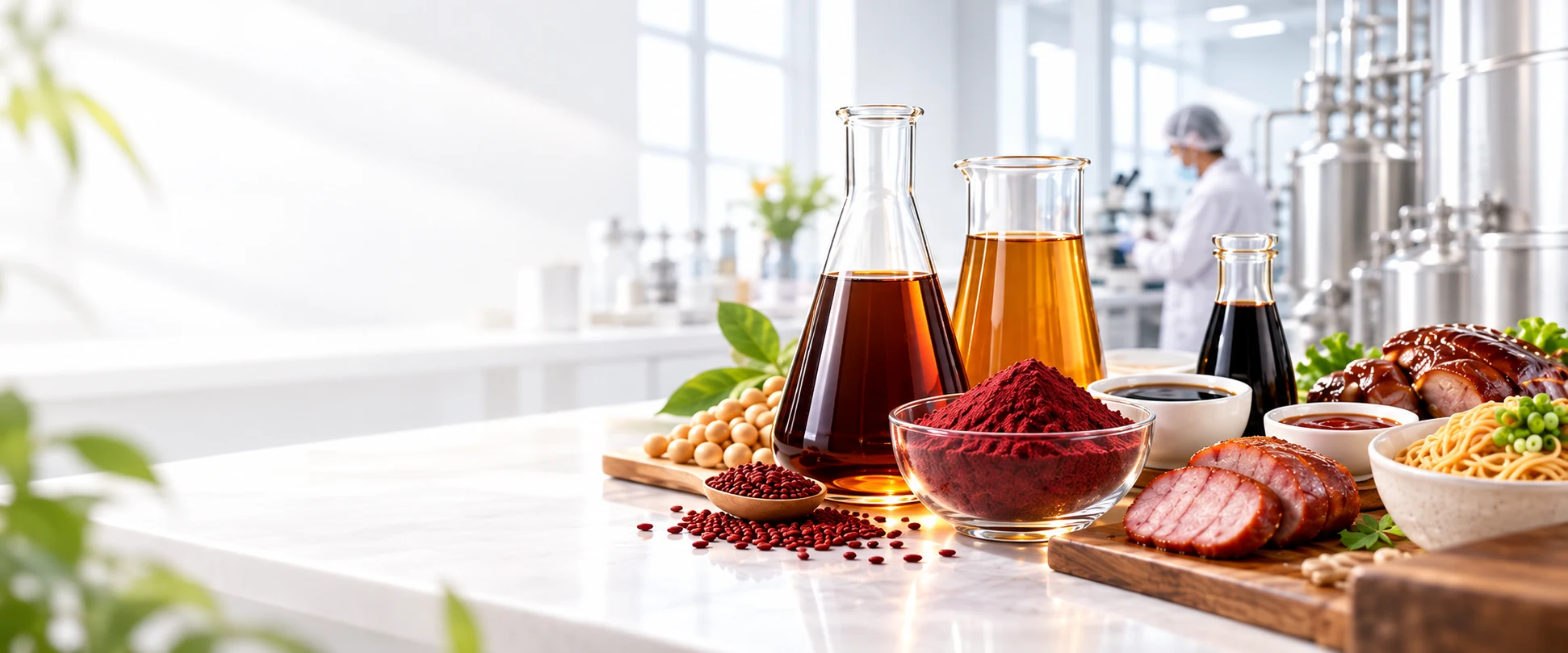
Product Overview
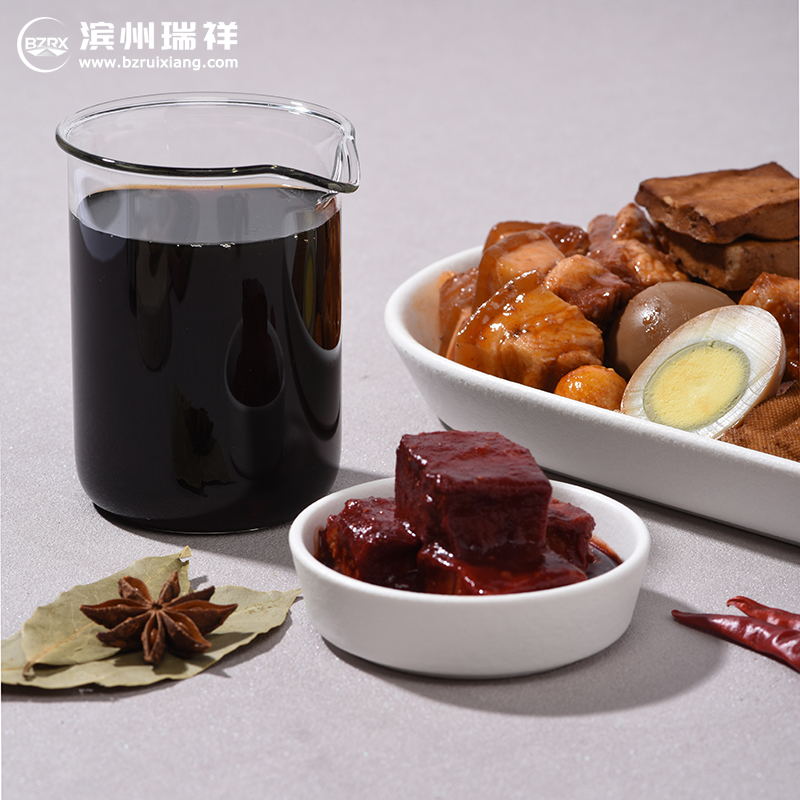
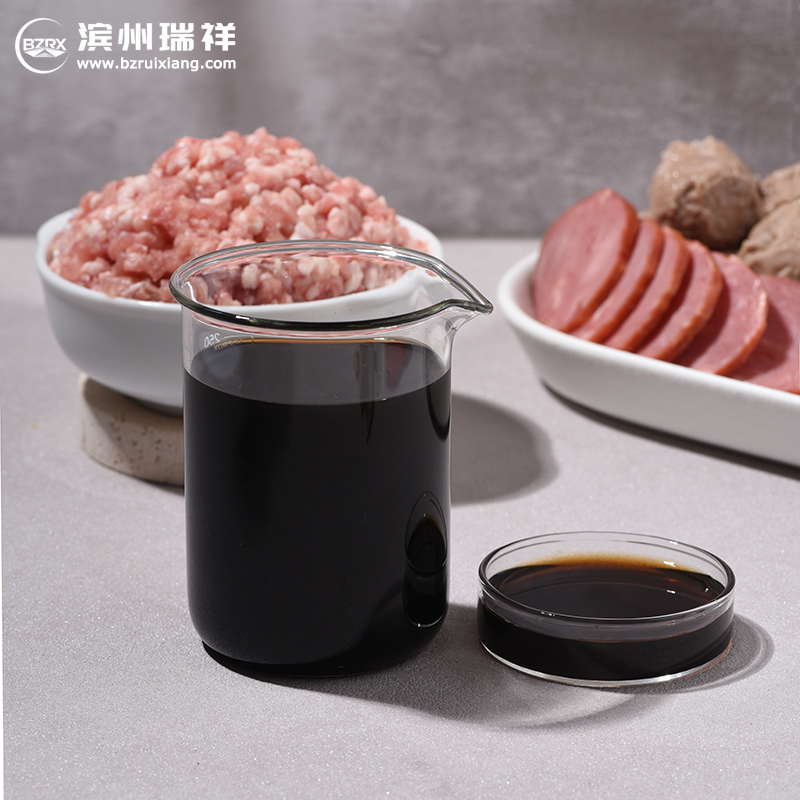
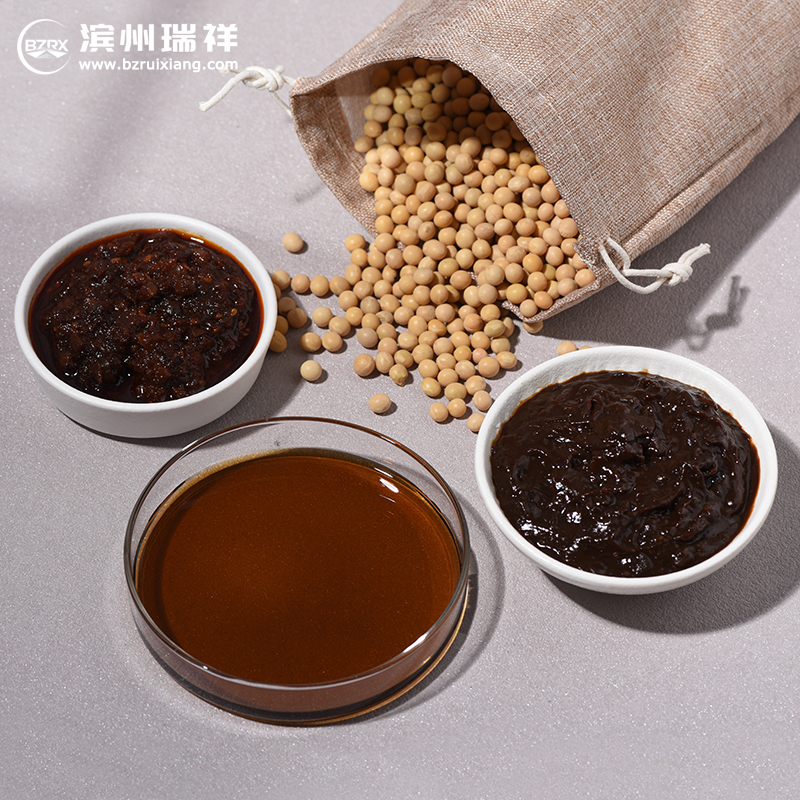
Hydrolyzed vegetable protein (HVP) compound seasoning powder/liquid (hereinafter referred to as “compound HVP”) is processed from plant proteins such as soybeans, corn, or wheat, and is a plant-based umami seasoning that imparts a meat broth or clear broth flavor. With the evolution of modern lifestyles, demand for this product is growing daily, particularly in the processed food industry—such as table condiments and instant noodles.
Compound HVP products are processed from plant-based protein raw materials. Powdered products may be produced using processes such as spray drying; specific details are subject to the corresponding product specifications. These products feature a savory aroma and a rich, umami flavor, making them suitable as a base ingredient for various food seasonings. Composite HVP products are available in various flavors and specifications. By flavor, they include plain, chicken and roasted chicken, beef and roasted beef, among others. They can be used directly in seasoning powders or incorporated into various soup bases, meat products, snack foods, and frozen foods. Blended HVP products effectively enhance the natural flavors of foods, resulting in a richer mouthfeel; when used in combination with other ingredients, they can reduce the amount of MSG and I+G required.
Features
A wide variety of products to choose from
The powder ranges in color from pale yellow to brown, and the product has a fresh, savory, and pleasant taste.
Various Flavors: Original, Poultry, Beef, etc.
App Recommendations
Flavor | Recommended Products | Applications |
Basic Flavors | HVP-003, HVP-009, HVP-024 | Meat products, snack foods, blended seasonings, soup bases, marinades, etc. |
Beef Flavor | HVP-029, HVP-076 | Meat products, snack foods, blended seasonings, soup bases, marinades, etc. |
Poultry Flavor | HVP-028, HVP-077 | Meat products, snack foods, blended seasonings, soup bases, marinades, etc. |
Note: The recommended usage amounts listed for all applications are for reference only. Please review local laws before use and strictly comply with them. We also recommend that manufacturers conduct tests in their end products to determine the appropriate addition ratio.
Frequently Asked Questions
Q: Do the hydrolyzed plant protein composite products from Binzhou Ruixiang Technology Co., Ltd. pose any risk of containing genetically modified organisms?
A: Information regarding the source of raw materials and genetically modified organisms (GMOs) is subject to the corresponding product labels, supplier declarations, and applicable testing documentation. Please contact our sales representatives to verify this information before making a purchase.
Q: Do the hydrolyzed plant protein compound seasoning products from Binzhou Ruixiang Technology Co., Ltd. contain any animal-derived ingredients?
A: The composition of different composite products may vary; whether they contain ingredients of animal origin should be determined based on the corresponding product label, ingredient list, and supplier information.
Q: How does composite HVP reduce the 3-chloropropanol content?
A: Currently, the commonly used methods for removing 3-chloropropanol are: [1] selecting ideal raw materials with low oil content; [2] strengthening control over production process conditions; and [3] implementing a refining process to reduce the formation of 3-chloropropanol. Specific product specifications should be determined based on the technical specifications and batch test reports.
Q: What is the practical significance of the various physicochemical parameters of hydrolyzed plant protein compound seasoning products? What factors influence their levels?
A: The main physicochemical parameters for hydrolyzed vegetable protein (HVP) compound seasoning products (hereinafter referred to as “compound HVP”) are total nitrogen (TN), ammonia nitrogen (AN), and salt content (NaCl). Total nitrogen indicates the protein content in composite HVP; generally, crude protein content is calculated as total nitrogen multiplied by 6.25; The total nitrogen content is related to the protein source. Ammonia nitrogen indicates the content of amino acid nitrogen in the composite HVP; salt content is related to the concentration and amount of hydrochloric acid used during hydrolysis (applicable only to composite flavoring liquid products).
Q: What is the difference between the flavor-enhanced and standard production processes for hydrolyzed plant protein compound seasoning products?
A: The main difference between flavored hydrolyzed vegetable protein (HVP) compound seasoning products (hereinafter referred to as “flavored HVP”) and conventional HVP compound seasoning products is that flavored HVP products undergo an additional Maillard reaction process, which generates the desired flavors through a thermal reaction under specific conditions.
Q: What are the key considerations when using hydrolyzed plant protein-based blended seasoning products?
A: It is important to ensure that the flavor of hydrolyzed vegetable protein (HVP) compound seasoning products (hereinafter referred to as “compound HVP”) is similar to that of the target application. In addition, when using compound HVP, it is necessary to consider its physical properties—such as hygroscopicity—to avoid processing difficulties during production.
