
 中文
 English
 Русский
Product Overview
Type: E150d Liquid and Powder, Double-Strength Caramel Color
Ingredients: Water, glucose syrup, sulfite compounds.
Color Intensity (EBC): 0.266–0.570
Packaging: Food-grade PE buckets/bags/cartons
As a Chinese supplier of caramel color powder, our products offer the following specialized features:
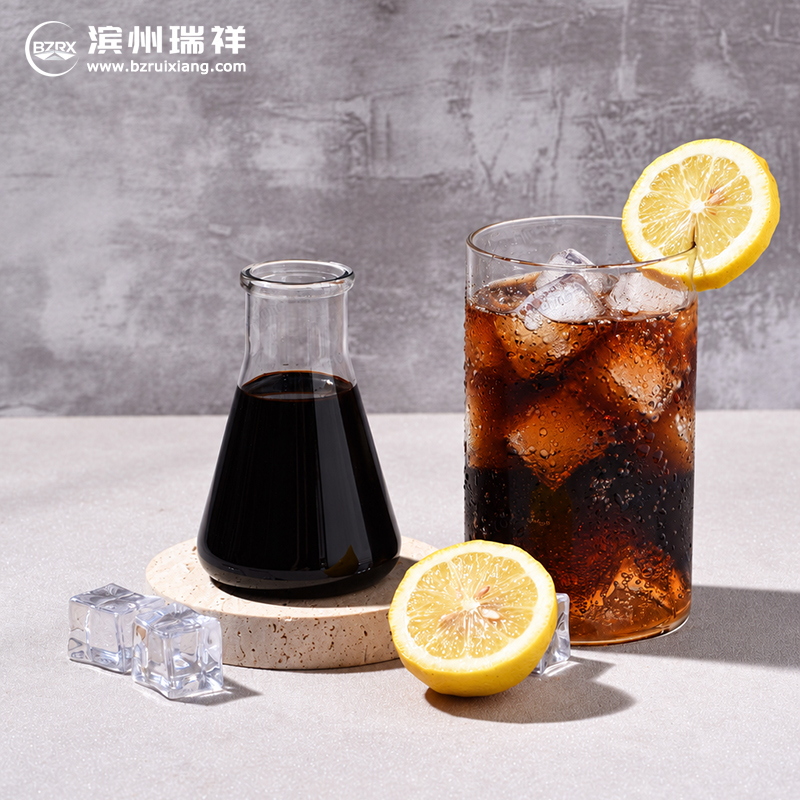
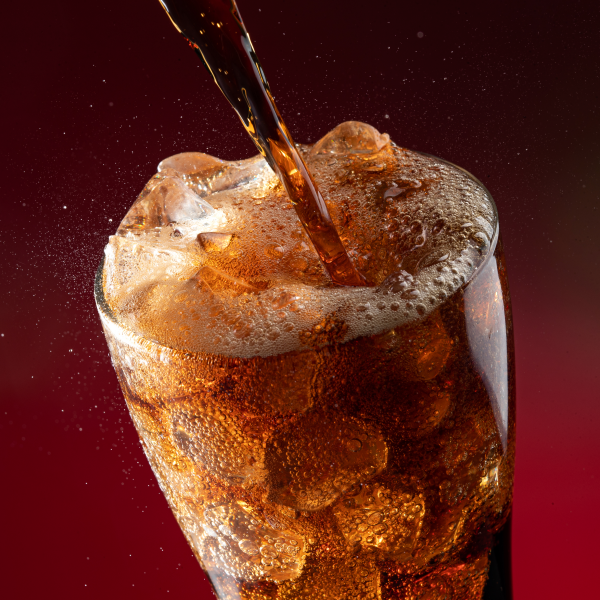
Caramel Color E150d, or Class IV Caramel Color, also known as ammonium sulfite caramel, soybean pigment, caramel pigment, caramel liquid, and caramel powder, caramel food additive, is a complex reddish-brown or black mixture formed by the dehydration, decomposition, and polymerization of sugars at high temperatures. This type of caramel carries a negative colloidal charge. Caramel E150d is one of the most common types of caramel and is frequently used in carbonated beverages and baked goods.
Features
1. A deep black shade in liquid or powder form
2. Soluble in water and alcohol
3. Light- and heat-resistant.
4. Low viscosity
5. pH between 3 and 3.3
6. Consistent quality; manufacturing processes and quality specifications are subject to the product specifications.
App Recommendations
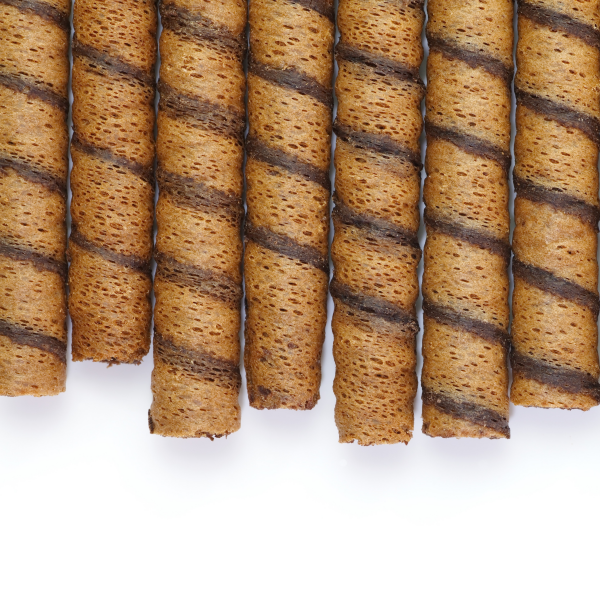
It is primarily used as an ideal brown and black coloring agent in the production of cola, beverages, fruit wines, baked goods, cookies, dark bread, cream sticks, jellies, dairy products, meat products, sauces, pet food, and more.
| Applications | Color Gamut | Recommended Dosage | Recommended Products I Method | Product Recommendation Method III | Recommended Products: IV Method |
| Soft Drinks |  | 0.05-0.20% | CI-006 | - | DS-101, PC-031 |
| Yellow Wine |  | 0.1-3.0% | - | Bicycle | - |
| Soy sauce |  | 0.5-5.0% | CI-006, CI-015Q | BC-001 Type 1 | BC-028 Bright Color Series, BC-066Q |
| Seasonings |  | 0.5-5.0% | CI-006, PC-015C | BC-001 Type I, PC-003 | DS-101, PC-001 |
| Instant Noodles |  | 0.5-5.0% | PC-015 | PC-003 | PC-002, PC-005 |
| Baked Goods |  | 0.2-5.0% | CI-006 | BC-001 Type I, PC-003 | DS-036, PC-001 |
Note: The recommended usage amounts listed for all applications are for reference only. Please review local laws before use and strictly comply with them. We also recommend that manufacturers conduct tests in their end products to determine the appropriate addition ratio.
Frequently Asked Questions
Q: What are the different types of caramel colors?
A: Caramel color can be produced from a variety of food-grade carbohydrates, including glucose, malt syrup, molasses, and starch hydrolysates. These carbohydrates can be processed into four types of caramel color: E150A,E150B、E150CandE150D. Each category consists of various types of caramel ingredients, each with distinct properties that make them suitable for different applications. Method I caramel color, also known as standard caramel color, has a strong aftertaste and a mild aroma. The color of this type of caramel ranges from yellow-brown to reddish-brown.E150ACaramel color is stable in alcoholic and high-salt systems, making it suitable for use in whiskey, liqueurs, lemonade products, fruit juice concentrates, sauces, and cocoa additives.
E150BCaramel has a reddish hue, as well as a mild flavor and aroma. Compared toE150ASimilar to caramel,E150BCaramel color exhibits good stability in alcohol and is therefore frequently used in wine, liqueurs, and brandy.
E150CCaramel color is a reddish-brown hue with a sweet, toasty aroma. Due to its stability in high-alcohol and high-salt systems, it is widely used in products such as cereals, beer, pet food, licorice, meat gravies, soy sauce, and barbecue sauce.
E150DCaramel color has a deep brown hue and a mild aroma and flavor. They are stable in terms of alcohol, tannins, and acidity, and are therefore widely used. These applications include balsamic vinegar, coffee, chocolate syrup, soft drinks and other carbonated beverages, baked goods, cocoa substitutes, pet food, sauces, soups, meat products, seasoning blends, and other condiments.
Q: What are the advantages of using caramel color?
A: Part of a dish's appeal lies in its appearance, which is why chefs around the world pay close attention to the color of the food they prepare, in addition to its flavor.
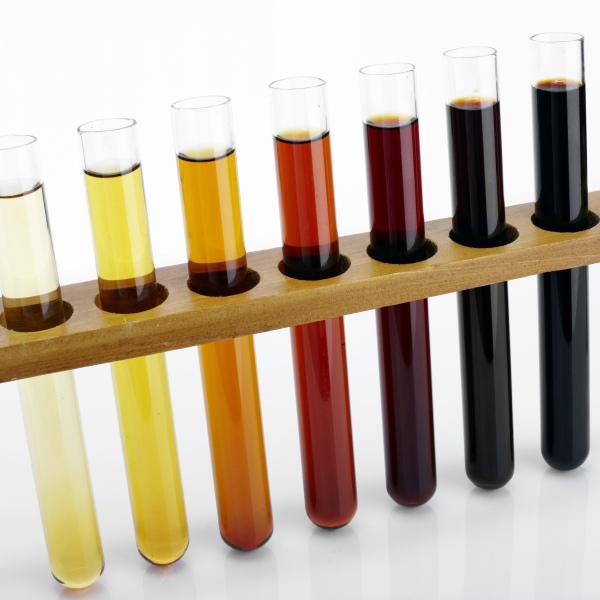
This also applies to packaged foods and beverages. For many consumers, the visual experience is a key factor, as they believe there is a close connection between color and the enjoyment of food. Caramel color helps enhance the consistency of the appearance of foods and beverages. Therefore, food and beverage manufacturers use colorants to reduce variations between batches caused by natural variations as well as degradation resulting from processing and storage. The use of caramel color helps ensure consistent food and beverage colors for consumers. Depending on the type and concentration of caramel color added, it can be used to enhance yellow, red, brown, and black hues in a variety of foods and beverages.
Q: Why does Double Caramel Color feel “watery” when used? Is there a problem with the quality? Will I need to use more of it?
A: “Thin” refers to low viscosity,ResinificationThree characteristics: slow-acting and long shelf life; the color yield of caramel color is the key indicator of its usage, while the specific gravity reflects its solids content.
Q: What is acid-resistant single-concentration caramel color? How does it differ from acid-resistant double-concentration caramel color?
A: The commonality is that both are ammonium sulfite caramel color (E150d), carry a negative charge, and are primarily used in beverages; the difference lies in their color yield, with the single-strength version being approximately half that of the double-strength version, while the single-strength version has a higher red index than the double-strength version.
Q: Why does caramel color cause sedimentation in some products? How can this be resolved?
A: This is related to the salt-, alcohol-, and acid-resistance of caramel color, as well as the characteristics of the product itself. Generally, the ammonia method caramel color is used in fermented products, while the ammonium sulfite method caramel color is used in carbonated beverages and tea drinks. Soy sauce can use any of the three types of caramel color, but they must not be mixed. If the charge characteristics of the product to be colored are uncertain, small-scale trials can be conducted using the three different types of caramel color to determine the appropriate one.
